Winter cycle training – staying strong, motivated, and ready for spring
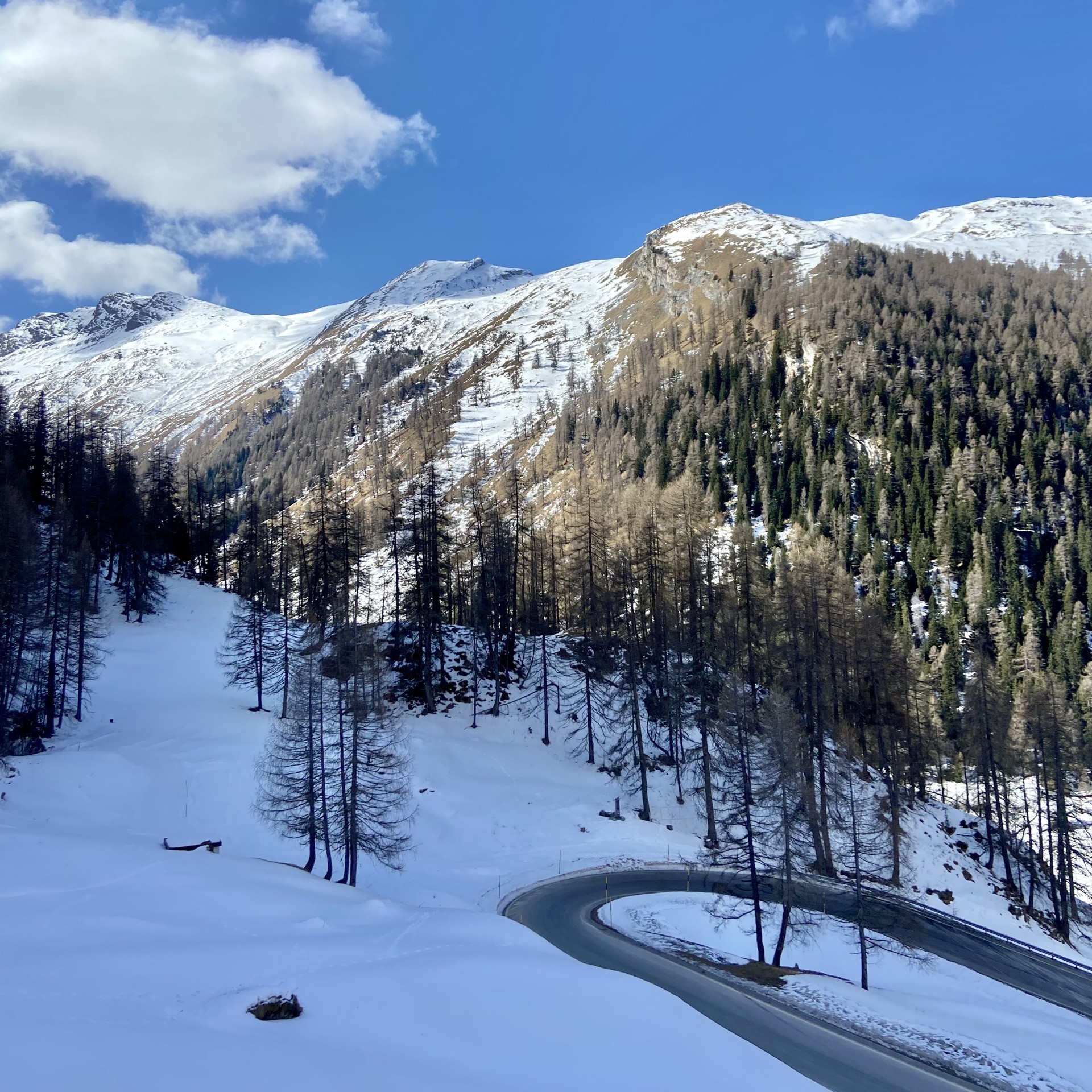
As the days shorten, the cold arrives and here in Switzerland the mountain passes close, winter is often the period where motivation dips and cycling becomes a mental as much as a physical challenge. Yet for anyone dreaming of tackling iconic alpine climbs in the coming season, winter is arguably the most important training block of the year. Done correctly, these months can build the foundation of endurance and strength that pays off once the snow melts and the roads re-open.
The key is to approach winter training with a realistic plan. You don’t need to be smashing out high-intensity efforts every week; nor should you try to recreate summer mileage when temperatures hover around zero. Instead, winter is the period to slow down, build aerobic efficiency, and maintain consistency. With the right mix of outdoor endurance, indoor intensity, and mental focus, you can come into spring stronger than ever.
The case for slower endurance rides outdoors
Even in winter, it’s important not to abandon the road completely. Keeping some weekly time outside has three major benefits:
You maintain bike handling skills – climbing and descending will feel familiar when spring returns
You preserve winter resilience – fitness built in cold conditions pays dividends in early-season events
You improve your aerobic base – long, steady mileage at low intensity is the foundation of endurance cycling.
These outdoor winter rides should feel comfortable, not stressful. Think of them as “time in the saddle”, ideally at Zone 2 – conversational pace, controlled breathing. Even 2–3 hours is valuable. When road surfaces are dry and safe, choose flatter routes, lower altitude valleys, and protected paths. If there’s no wind chill and the sun is out, it can even be surprisingly enjoyable.
The key message: winter outdoor riding should help you, not break you. Save hero rides for May.
Indoor training – short, sharp, strategic
For many cyclists, structured indoor training becomes the backbone of winter fitness. Whether you use Zwift, TrainerRoad, Wahoo, or just a smart trainer with your own plan, the goals are:
Maintain or improve threshold power (FTP)
Keep intensity familiar, even if volume drops
Preserve neuromuscular sharpness
Boost cardiovascular efficiency.
The advantage of indoor work is efficiency. A targeted 60–75 minute session at home can deliver far more training load than two hours of winter road riding. Intervals, tempo blocks, or sweet-spot work are all ideal mid-week choices.
A smart weekly pattern might look like:
Tuesday: 60–75 minutes sweet-spot or threshold intervals
Thursday: 45–60 minutes controlled tempo, cadence drills, or VO2 bursts
Weekend: Outdoor endurance (weather permitting), otherwise a longer steady indoor ride
The psychological benefit here is also huge: when you do get outside, those legs feel primed.
Strength training – winter’s secret weapon
Winter is the perfect moment to add basic strength and mobility work. A core routine focused on stability, glutes, back and hips can dramatically improve spring performance, reduce injury risk, and support long days in the mountains. Two short strength sessions per week is plenty and often works miracles once climbing season begins.

Staying motivated through the dark months
Let’s be honest: winter can feel endless. The weather can be discouraging. But motivation doesn’t need to evaporate. The key is to think beyond immediate conditions. Here are a few powerful motivation tools:
Set a spring goal. It could be:
A Swiss Cycology Tours cycling holiday
A specific climb you want to conquer
A sportive or gran fondo
A training camp in the Alps.
Track small wins, as not everything has to be epic. Consistency beats heroic workouts.
“Two outdoor endurance rides”
“One trainer interval session”
“One strength session”
Mix in virtual group rides:
Whether you use Zwift events, Rouvy climbs, or training buddies online, community keeps momentum alive.
Remember why you started
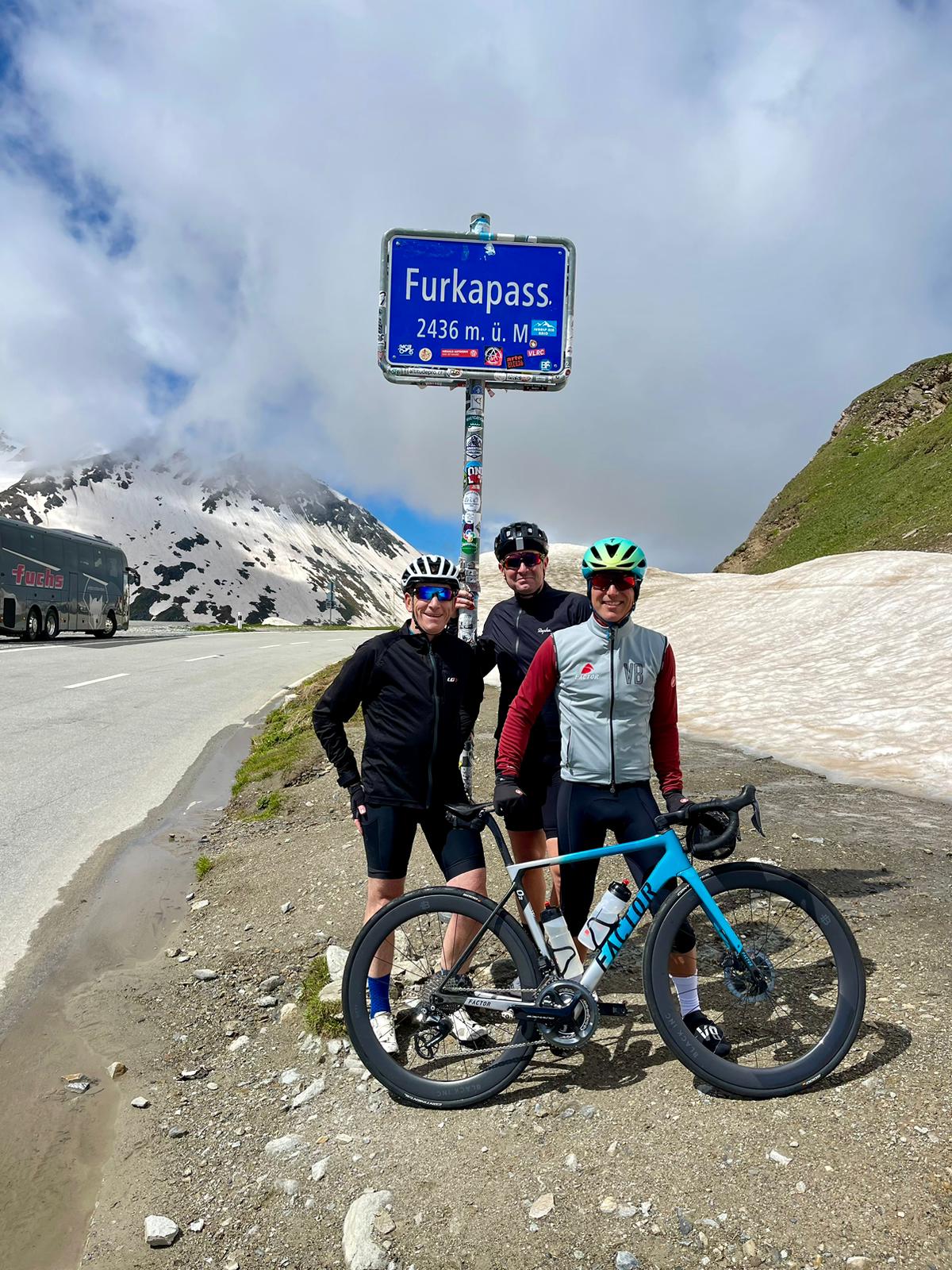
When you picture the first blue-sky spring morning on Furka, Grimsel or Susten, winter suddenly becomes a means to an end, not a burden.
Looking ahead – when the passes reopen
The Alps offer world‐class cycling, but they also demand respect. Riders who trained consistently over winter feel stronger, safer, and more confident tackling their favourite climbs. When the snows finally melt and the passes reopen, the fitness built in winter becomes the foundation for unforgettable riding days. The best part? With a steadier, more aerobic base, you’ll likely discover you climb more comfortably, recover faster, and ride with more confidence – even on the big gradients.
Final thoughts
Winter cycle training doesn’t need to be grim or obsessive. It’s a chance to slow down, build strength, dial in good habits, and quietly prepare to enjoy cycling more than ever once the Alps are open again. Accept the cold months for what they are: a bridge to better weather and stronger legs. Do what you can, do it consistently, and arrive in spring ready for the roads you love.
Switzerland is calling — and we can’t wait to show you around.
Author: Lee Hewett