Setting up your bike for Andermatt's Alpine climbs
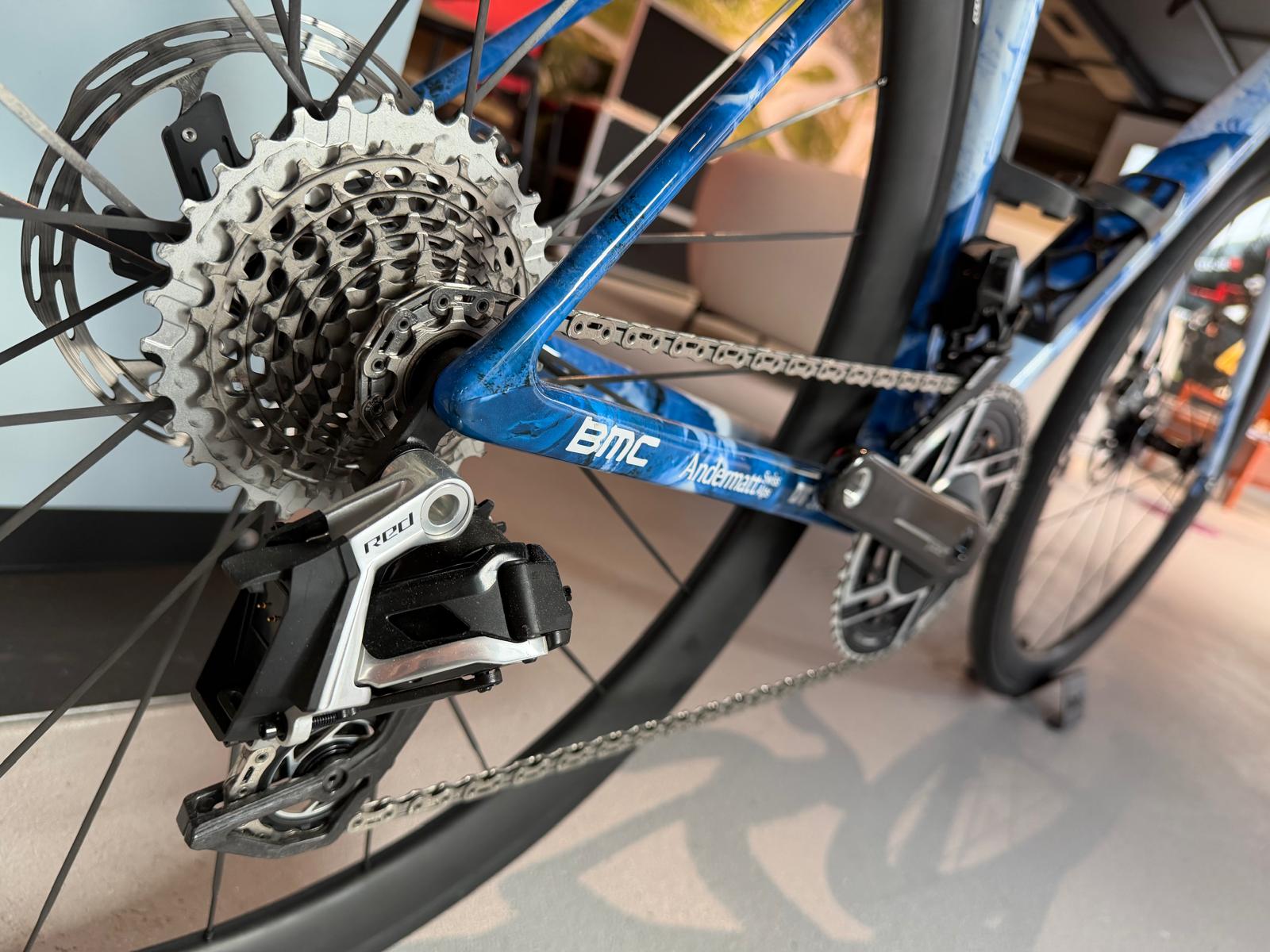
Andermatt sits at the meeting point of three of Switzerland's best-known passes: the Furka, the Nufenen and the Gotthard. Ride all three in one loop and you're looking at over 3,000 metres of climbing in a single day. Getting your bike set up properly beforehand is crucial and taking this loop as an example, we run through some of the things to consider.
The climbs, in numbers
Total distance for the loop is around 105 km, with close to 3,060 m of elevation gain. Gradients mostly sit between 6% and 9%, but there are sections up to around 12–14% in places. It's often the length of these passes that catches people out, not the steepness.
Gearing: built for length, not steepness
Because these climbs can run 60 to 120 minutes, the goal is to keep spinning rather than grinding out a big gear. What we'd recommend:
Compact crankset (50/34T)
Wide-range cassette (11–32T or 11–34T)
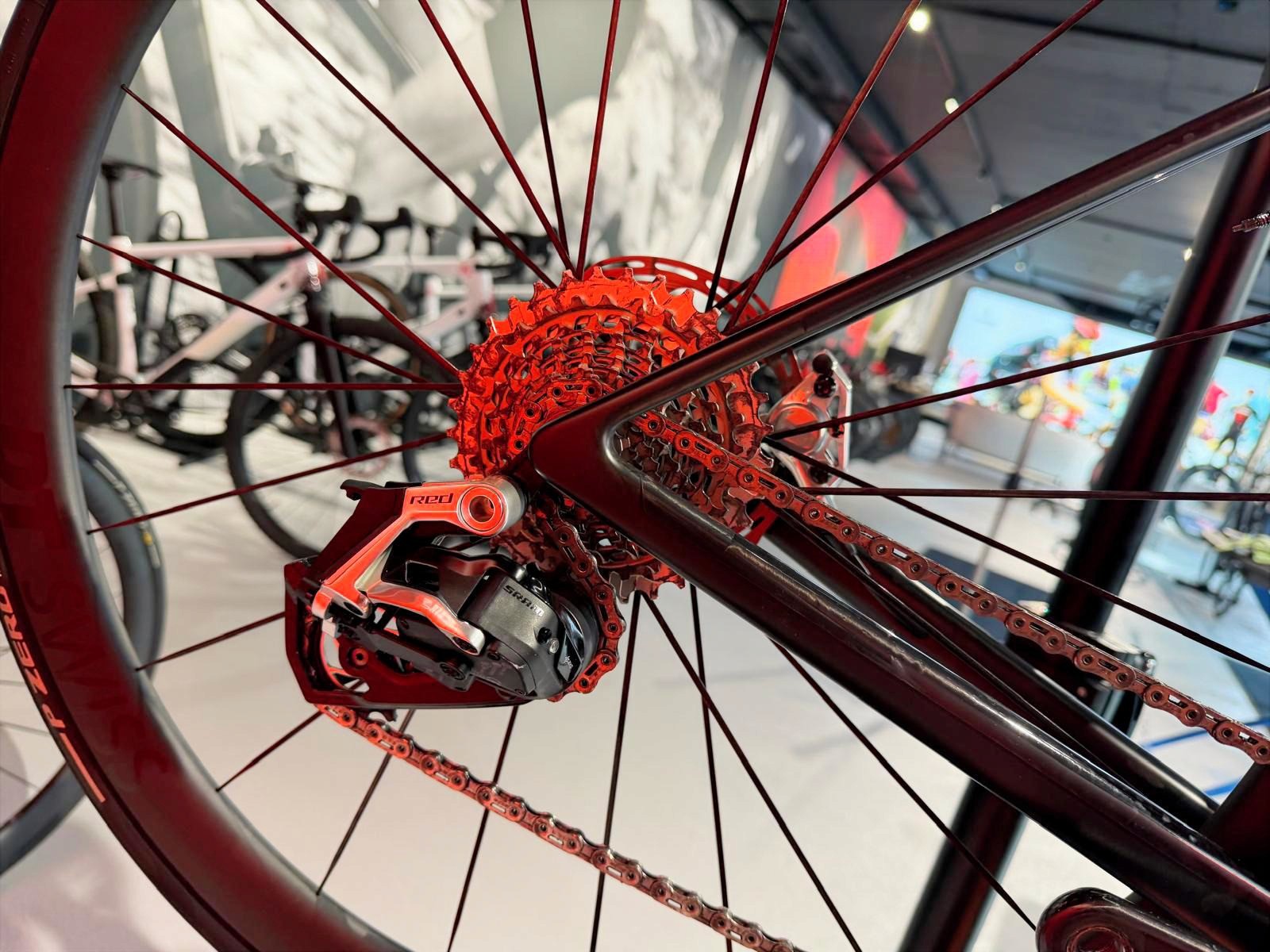
This keeps your cadence manageable, saves energy for later in the climb, and takes some of the load off your knees. Riders used to flatter terrain, or a tighter gear range, are often surprised how much they lean on that lowest gear once a climb passes the 45-minute mark.
Tyres: comfort on the way up, control on the way down
A light bike setup helps on the climbs; the right tyres matter just as much on the way back down. Our recommendation: at least 28mm tyres, run at slightly lower pressure than you'd use on flat roads. For example, the tyre pressure of our BMC SLR range is between 4.5 – 5.0 bar.
Wider tyres give you:
Better grip through the technical sections on the descents
More comfort over a long day in the saddle
More stability on changing surfaces — the old Tremola cobbles on the Gotthard being the obvious example
Brakes: check them before you need them
For some people descending can be one of the better parts of the day, but for everyone brakes need to be checked and in good condition regardless. Consistent braking matters. Worth checking:
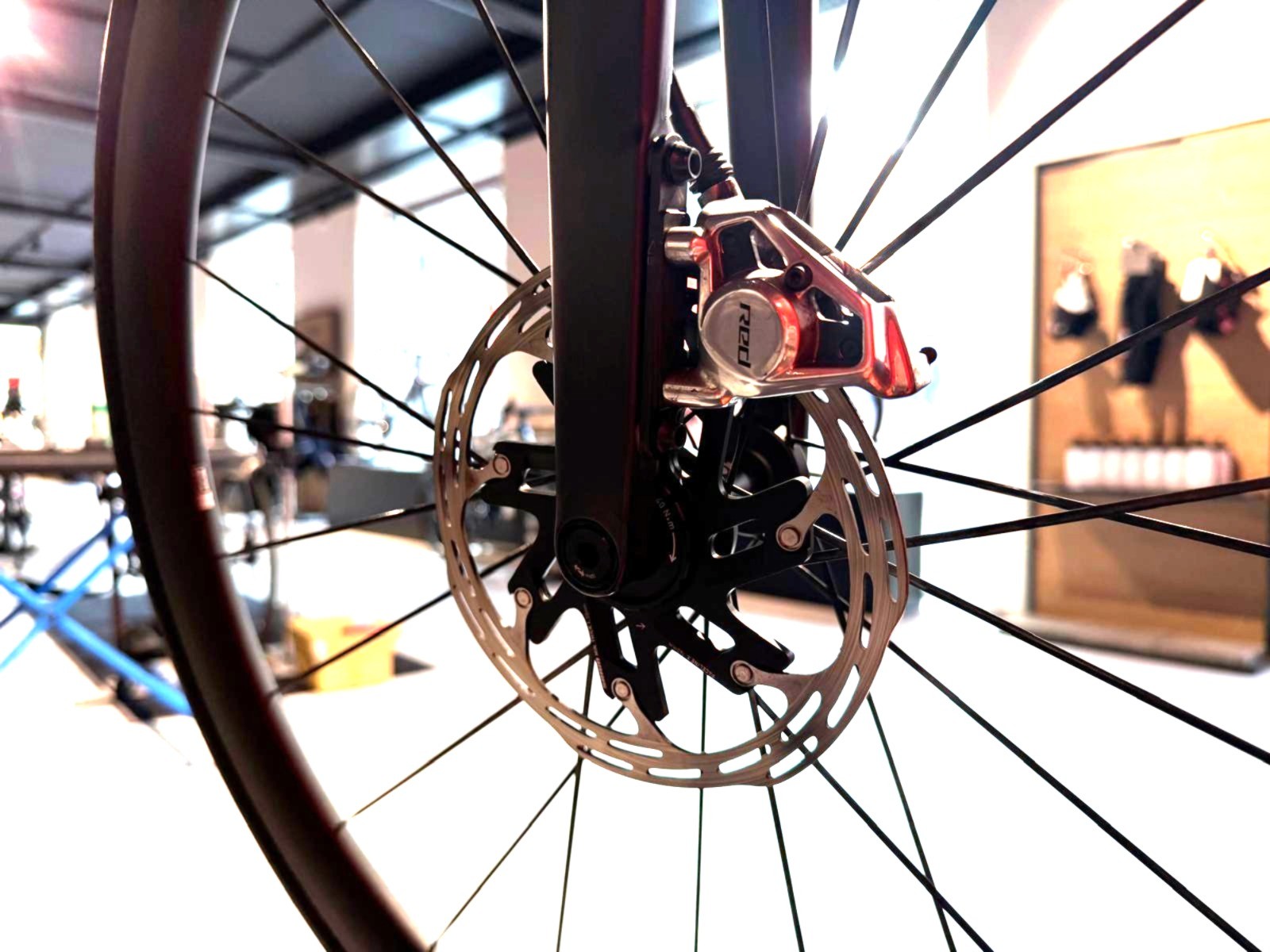
If possible, choose disc brakes for the most consistent stopping power across conditions
If you're running rim brakes, make sure the pads are fresh and suited to mountain use
Check pads, rotors or rims for wear before you travel
One good rule to follow: don't drag the brakes continuously on a long descent. Feather them lightly, or brake firmly and release. Constant dragging just builds heat without adding control.
Bike fit: worth doing before you arrive
When climbs run into hours a proper bike fit can change mountain riding enormously, keeping you comfortable and efficient. A good fit helps with:
Holding your power output for longer
Less fatigue through your hands and neck
Avoiding knee and hip pain
Feeling balanced and in control on the descents