Cycle ready? How to avoid discomfort and injury
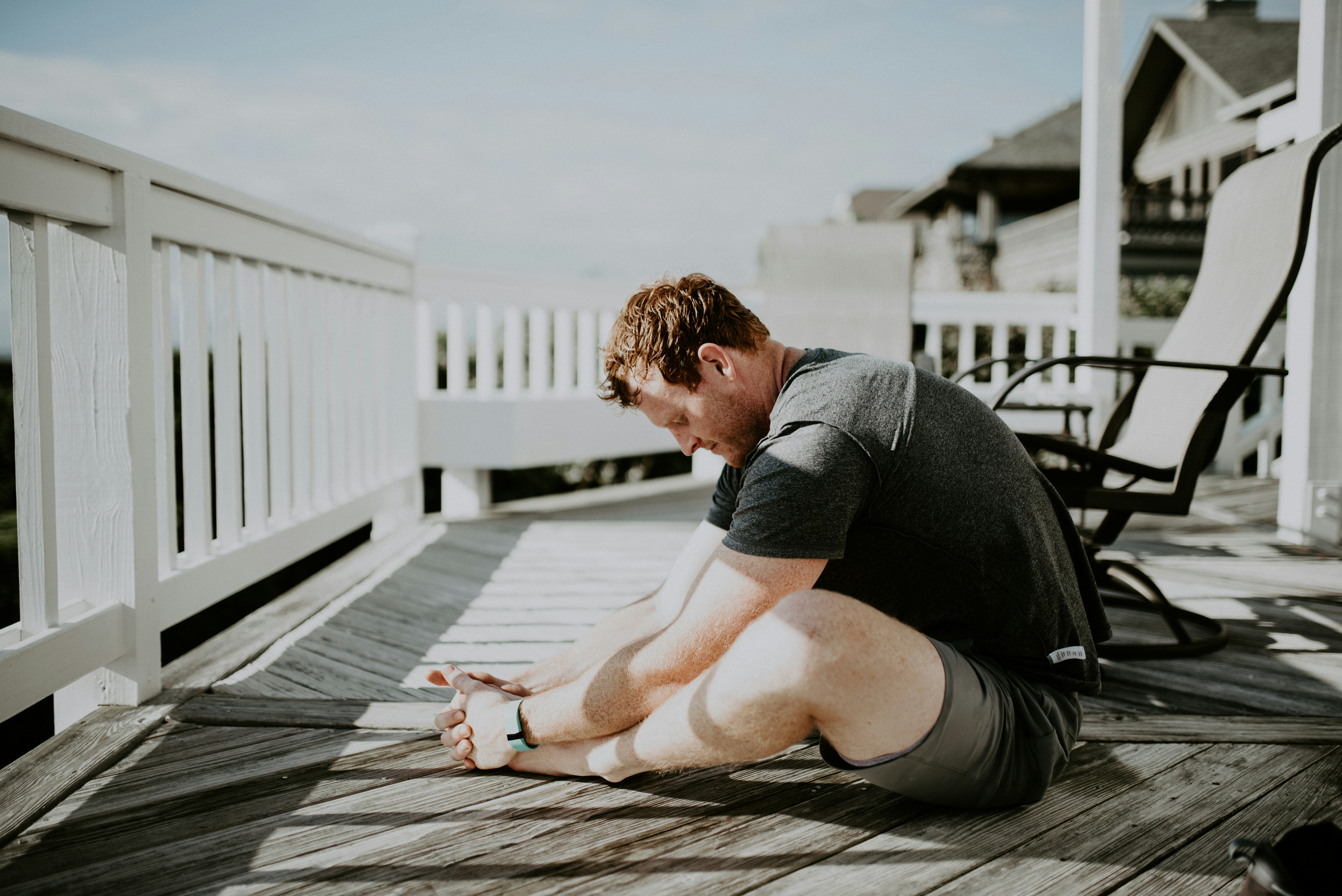
Cycling is often praised as a low-impact sport — gentle on the joints compared to running, and easy to scale up at any age. But hours in the same position, combined with small bike-fit imperfections, can slowly build into discomfort or injury. The good news: with a few preventative habits, most of this is entirely avoidable.
Knee pain
One of the most common issues cyclists face, it usually comes down to saddle height or fore-aft position — too low strains the front of the knee, too high strains the back. A professional bike fit is the single best investment you can make for comfort and performance, which is why we build one, carried out by our UCI-trained mechanics, into every Swiss Cycology Tours trip before you set off. Even a few millimetres of adjustment can make a real difference.
Lower back pain
Builds from hours in a forward-leaning position without enough core strength to support it, made worse by vibration from rough roads or steep gradients. A few minutes of planks and bridges daily helps maintain stability, and it's worth checking your handlebar reach isn't forcing your back and shoulders to overwork to keep you balanced.
Neck and shoulder pain is usually tension rather than terrain — gripping the bars too tightly or holding your head fixed for too long. Keep your grip light, consciously drop your shoulders on descents, and roll your neck out before and after rides to release tension over time.
Hand numbness
Comes from sustained pressure on the nerves running through your palms. Padded gloves and cushioned bar tape help distribute that pressure, and switching hand position regularly — especially on climbs and descents — keeps your wrists in a healthier, more neutral angle.
Saddle sores
Far easier to prevent than cure. A good pair of shorts with a quality chamois is worth every penny, chamois cream reduces friction before rides, and getting out of wet kit quickly afterward makes a real difference.
Achilles tendonitis
Often stems from cleats set too far forward or misaligned, forcing the tendon to work harder to stabilise the foot. Align the ball of your foot over the pedal spindle, and ease into longer or hillier rides gradually.
The best cyclists aren't just strong, they're tuned in — noticing small aches before they become problems and adjusting rather than pushing through. Recovery deserves the same attention as training: stretching, foam rolling, and good nutrition all keep your muscles balanced and resilient. And if you're managing a niggle or just want to take some strain off the legs, our e-bike range is worth a look — plenty of riders find alternating road and e-bike days keeps them going stronger for longer.
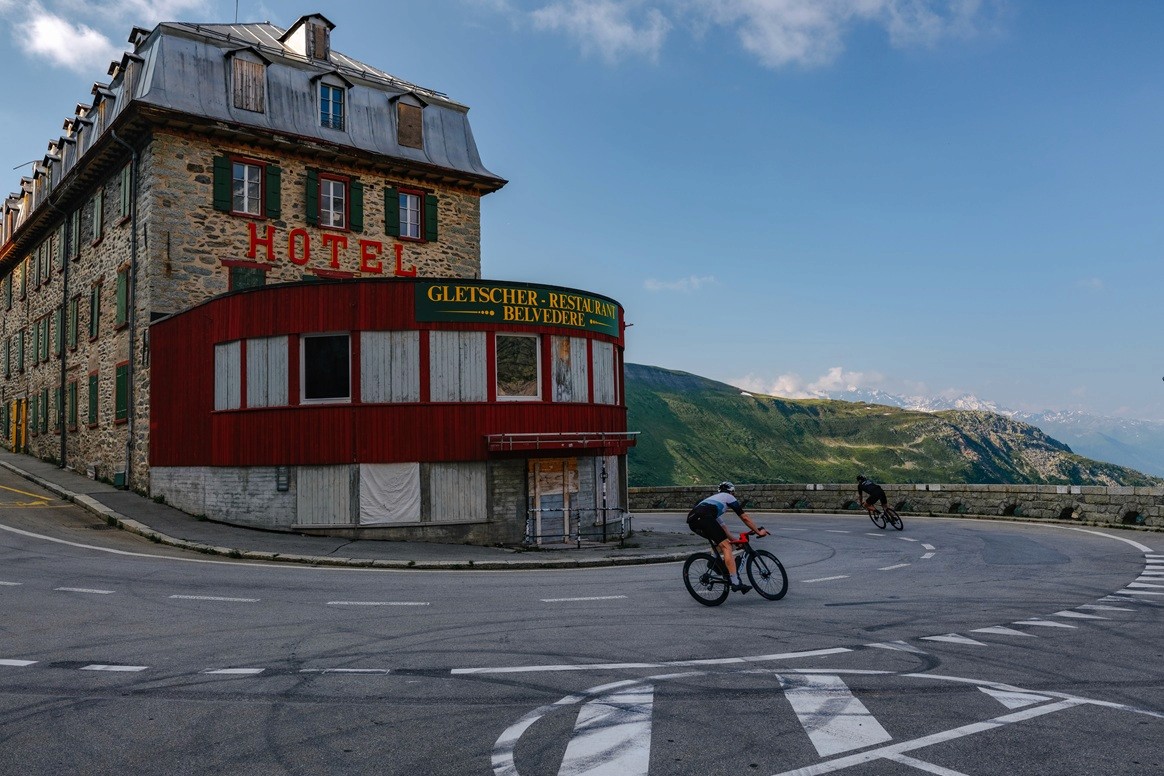
Cycling through the Swiss Alps, from the quiet switchbacks of the Furka Pass to the smooth tarmac of the Susten, is one of the most rewarding experiences a rider can have. Looking after your body and your bike setup means you don't just reach the summit once — you get to do really enjoy getting there.
Got questions? Curious about joining one of our guided Swiss adventures? Contact us — we'd love to help you take your riding to the next level.